



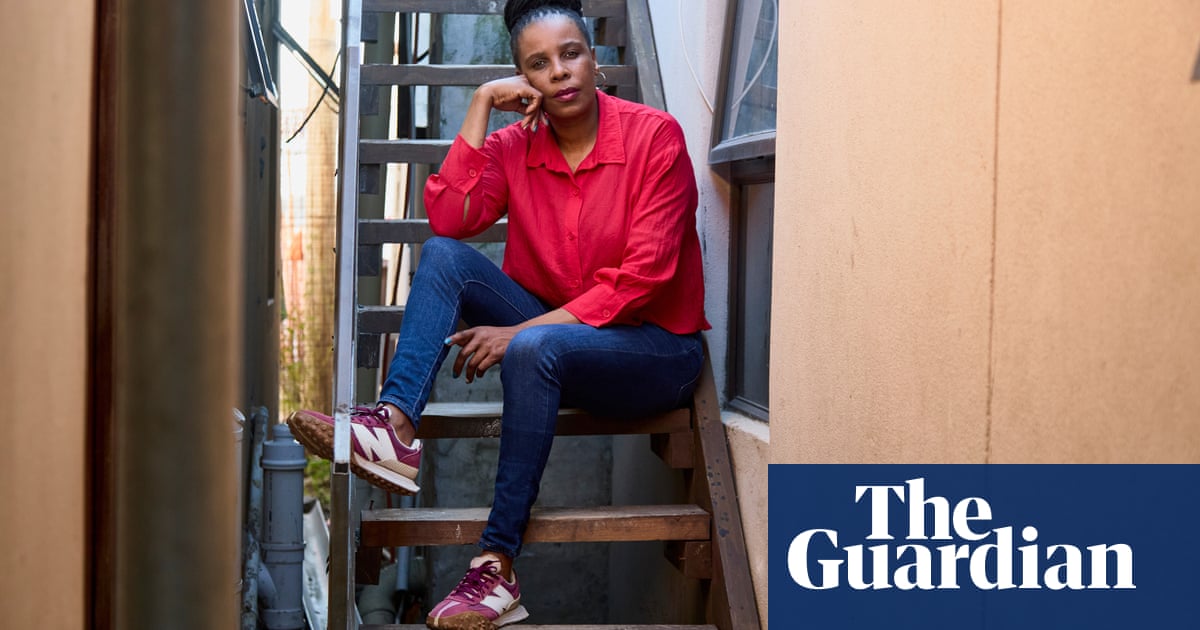
When she was pregnant with her second child, Busisiwe Beko was living with HIV, but that didn’t worry her. She had been taking antiretrovirals for years and as an experienced Aids activist in South Africa she knew that as long as she continued to take her pills every day, her second baby would be born free of infection, just like her first.
But another illness was lurking in Beko’s lungs: tuberculosis (TB) had been hiding behind the common signs of pregnancy. The illness turned her pregnancy into a nightmare.
At the clinic she attended in the Western Cape township of Khayelitsha, she was given drugs once nurses realised she had TB, but they did not work. Then, when she was five months pregnant, she was diagnosed with drug-resistant TB (DR-TB).
Beko was getting sicker. “I wasn’t sure I was going to make it,” she says.
After seven months of pregnancy, she was finally admitted to hospital, but because there are few treatments known to be safe for pregnant women, she did not start taking medication – a brutal 24-month drugs regime – until after she gave birth. Her son was born with DR-TB.
Globally, about 500,000 people a year are diagnosed with DR-TB, which is already difficult to treat without the added complication of pregnancy. In fact, there is still no recommended treatment regimen for DR-TB in pregnant women.
Pregnant women have been excluded from drug trials, which means doctors do not have high-quality clinical trial data to work with. Instead, they have to rely on shakier forms of evidence, such as individual case reports, analyses of patient records and data from animal studies or trials in which people were allowed to continue participating after an unexpected pregnancy.
The result is that pregnant women do not benefit from the shorter, gentler and more effective TB treatments that have emerged over the years.
Women are also likely to face discrimination and sub-par care from cautious health workers in some countries. Some have been called “foolish” for falling pregnant or even pressed into an abortion because “we don’t know what you will give birth to”, according to a 2019 study in South Africa’s KwaZulu-Natal province.
This is not unique to TB drugs. Fewer than 1.5% of medicine trials conducted between 1960 and 2013 included pregnant women. A key reason is fears over potential risks to the foetus. The 1960s thalidomide scandal – in which a drug meant to treat morning sickness resulted in more than 10,000 children born with severe birth defects – has contributed to researchers’ hesitancy.
Since her experience, Beko, 49, has been fighting for change and there are signs that it is working.
In May, the World Health Organization’s first working group on TB during pregnancy held its inaugural meeting. The group is made up of scientists, researchers and activists, including Beko – whose son, Othandwayo, is now a healthy 18-year-old.
after newsletter promotion
“Being pregnant doesn’t mean people can’t make good decisions for themselves,” says Beko, who works for the South African organisation TB Proof. “Pregnant and lactating women deserve good-quality healthcare just like anyone else.”
Meanwhile, results of the first TB trials to include pregnant women from the start – the Beat-TB trial conducted in South Africa, which the WHO lists as one of 30 countries with the highest burdens of the disease – are being assessed.
Pregnant women will also be included in two trials conducted by the Smart4TB Consortium, which will determine the efficacy of shorter treatment regimes. Smart4TB is a USAid-funded project led by Johns Hopkins University’s TB research centre with groups including the Elizabeth Glaser Pediatric Aids Foundation, and Treatment Action Group.
The Prism-TB trial will begin in December or January, and the Breach-TB trials will begin later in 2025.
“It’s time for researchers to stop saying ‘we don’t have data’. The data is there in the communities, they must start to collect it,” says Beko.
“Pregnant and breastfeeding women have clear options for HIV, a disease which only emerged in the 1980s,” she says. “Why is that not the case for TB, which has been around so much longer?”
Nicole Salazar-Austin, an assistant professor of paediatrics at Johns Hopkins University, says the world of TB has yet to catch up with the progress made on HIV. Earlier in the HIV epidemic, it was clear that doctors had to start giving pregnant women medicines because more thank half of babies born with the virus would die by the age of two.
“Babies are affected by TB, but they’re not always infected,” she says. “The outcomes aren’t great; they could be born early, or small, and TB can increase the risk of miscarriage as well.”
Including pregnant women in trials will require some adjustments, says Salazar-Austin. They will need extra monitoring for any changes in the mother or baby’s health, and dosages will have to be carefully determined.
Clinical trials are never completely free of hazards, but Salazar-Austin believes that highly controlled trials are the right place for the risks to be examined.
“These risks exist either way. But without good information, it falls squarely on the shoulders of the pregnant women and their doctors.”
