


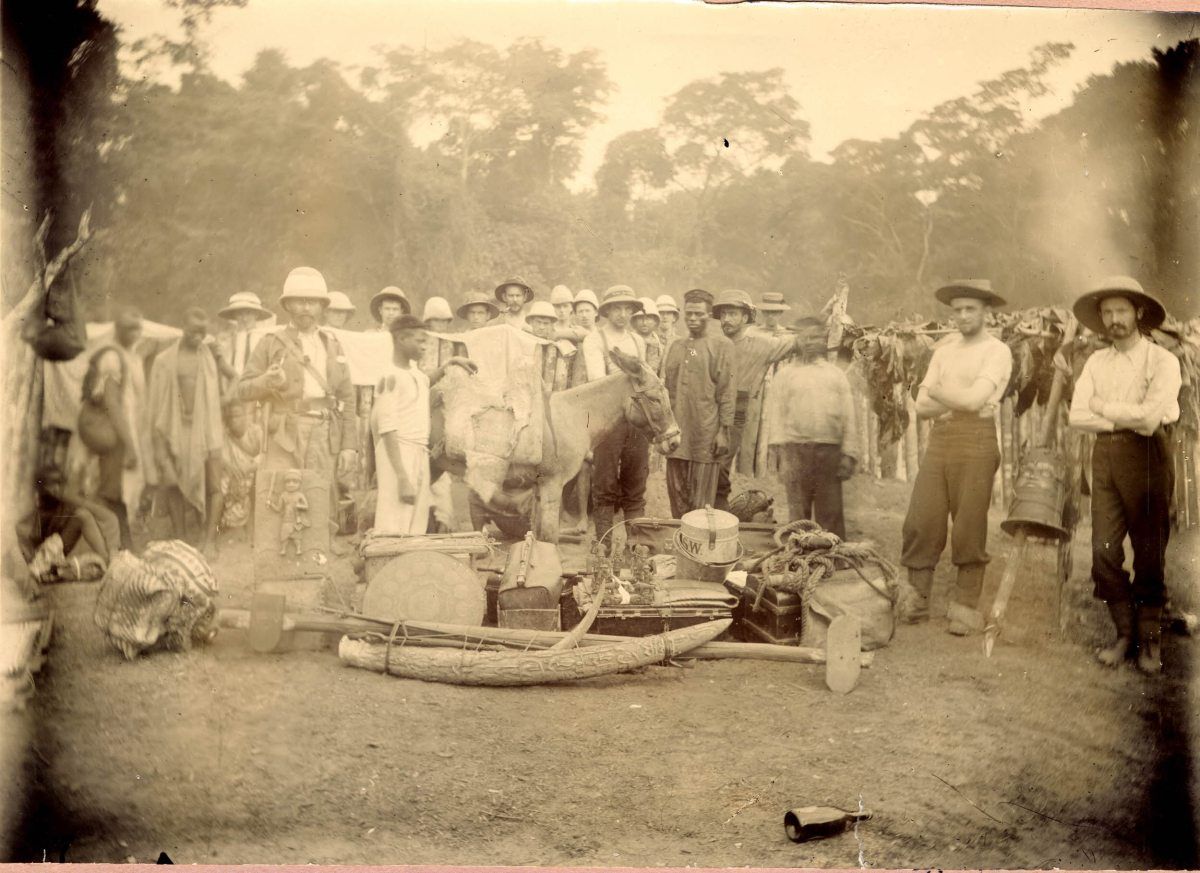
The Bini massacre of 1897 is one of the numerous evidence to the shameful intentions and actions of colonialism. Critics and historians alike often use the activities of the British government in the Bini kingdom to portray the true reasons behind colonization.
Contrary to what is generally portrayed, the colonial masters did not develop Africa or save the continent from destroying itself; rather, they exploited and destroyed it.
After the Berlin Conference that took place from 15 Nov 1884 to 26 Feb 1885, where the erstwhile western superpowers divided the African continent for exploitation, West Africa was offered to Britain. By 1895, many of the kingdoms under the West African region had been conquered by the British protectorate, and mass exploitation through slavery and looting was in full force.
However, the British wanted everything and were determined to leave no stone unturned – especially not in the Bini kingdom – a small kingdom rich in historical artifacts and ivory. There was, however, a small problem – the then Oba of the Bini kingdom, Oba Ovonramwen (enthroned c. 1888) did not fall for the British antics to penetrate his kingdom.
The Shameful Activities of the British Colonialists
The news of Bini’s wealth in Ivory, Gold, and artifacts – as well as the defensive strength of the Bini warriors, got the Queen of England. Her representatives informed her that unlike what transpired with some other kingdoms in the region, the British would need to carry out a full-blown guerrilla operation in order to penetrate the city.
Sanctioning a guerrilla operation armed with warships and artillery would cost the British huge amounts of money – which they could not afford at that time. But intelligence from British spies in the Bini kingdom assured them that the priceless resources in the kingdom would more than cover the expenses and bring so much prosperity to England.
In November 1986, the Queen of England granted a Royal Permission to the requests of Britain’s Acting Consul-General in the region, James Phillips, to invade the Bini Kingdom. His orders were simple and straightforward – take advantage of the British troops and war machinery to invade the Bini kingdom, depose the Oba, loot the city to the last ivory, artifact, and treasure, and burn it to the ground.
The actions go a long way to show how far – and low, the colonial masters went to loot Africa and lie about colonial activities in the continent. The burning of the cities were carried out to hide all traces and evidence of their actions – but not for long.
The History of the Bini Massacre of 1897
On January 12, the British delegation was ambushed by an Edo force that, by all accounts, acted without the oba’s knowledge.
Almost the entire party was killed, including Phillips. In quick order, a large British military force—deemed the Punitive Expedition—was assembled, and on February 18, they arrived in Benin City under orders to invade and conquer it. In time they captured Oba Ovonramwen and sent him into exile to Calabar, a town east of Benin.
Upon their arrival in London, Benin’s royal arts were a topic of conversation and speculation. They sparked immediate interest from museums, particularly in Britain and the German-speaking world, which made efforts to purchase the objects for their collections. Eventually, works from Benin could be found in museums across Europe and the United States.
The Shameful Outcome
To date, many artifacts stolen from the Bini kingdom (now Benin City, in modern-day Nigeria) still grace museums and the Royal Palace in the United Kingdom. The results of the mass exploitation from African kingdoms is evident in the wealth Britain controls today – and sadly so.
What are your thoughts?
