

By Roxanne Reid
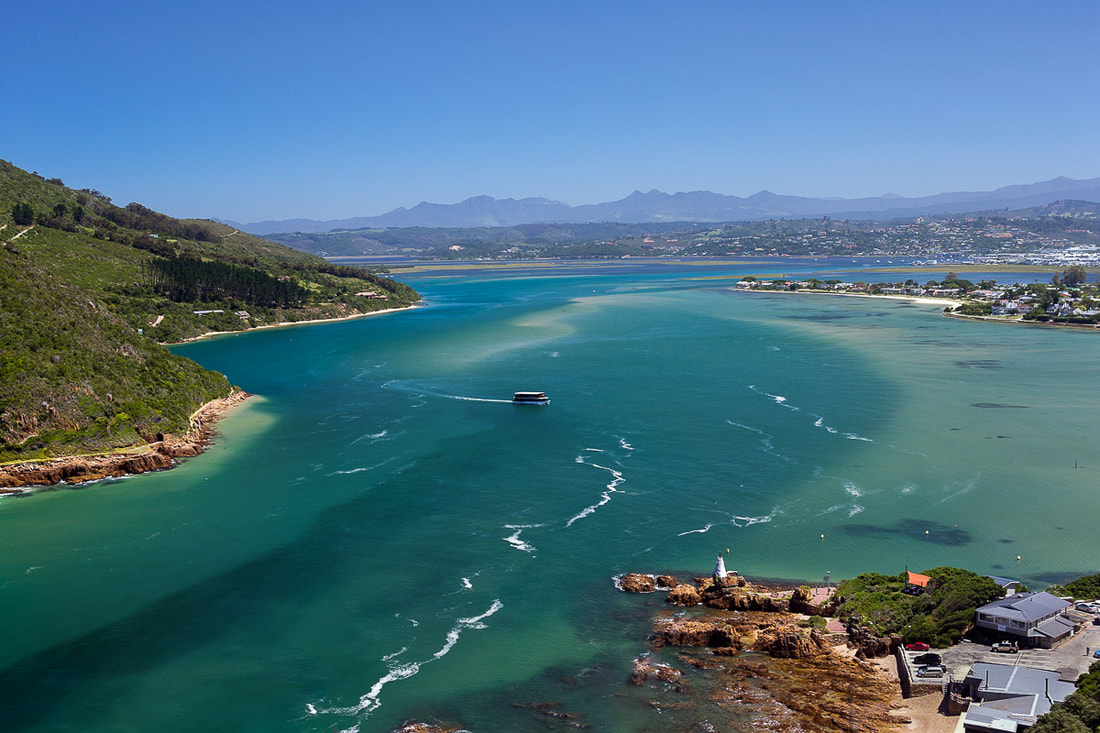
Snuggling against the banks of a beautiful lagoon in the heart of South Africa’s Garden Route, Knysna is one of my favourite coastal towns. Its natural beauty, rich history and vibrant culture make it popular with holidaymakers. Whether you’re an outdoor enthusiast, history buff or foodie, Knysna has something for everyone. Here are 27 things to do in Knysna.
The Knysna Lakes area makes up a gorgeous chunk of the greater Garden Route National Park. It’s home to the endangered Knysna seahorse (see point 14), the bright-coloured Knysna turaco and narina trogon, the delicate pansy shell, dolphins and whales (see point 4). Knysna is perhaps most associated with its forests of towering yellowwood trees that are hundreds of years old and have impressive waistlines. Although some thousand elephants once roamed Knysna’s forests, today a single elusive cow still lingers.
Whatever you want from a holiday destination, Knysna can deliver – from lush indigenous forests to tranquil lakes and white beaches, from historical woodcutting, gold mining and ivory hunting sites to excellent restaurants, galleries and shops. It’s also an outdoor enthusiast’s dream, enticing you with fishing, water sports, hiking, cycling and abseiling. Here are some of my top picks of things to see and do.
1. Explore the Knysna Lagoon by boat

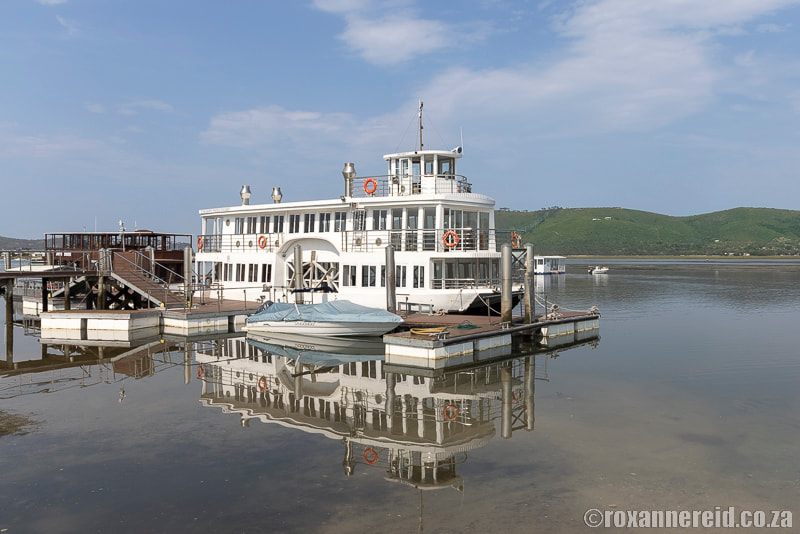
If you prefer, you can arrange a trip on a speedboat, motorised or sailing yacht, rubber dinghy or catamaran. You can even hire a self-drive houseboat from Knysna Houseboats for a holiday with a difference.
2. Visit the Knysna Heads

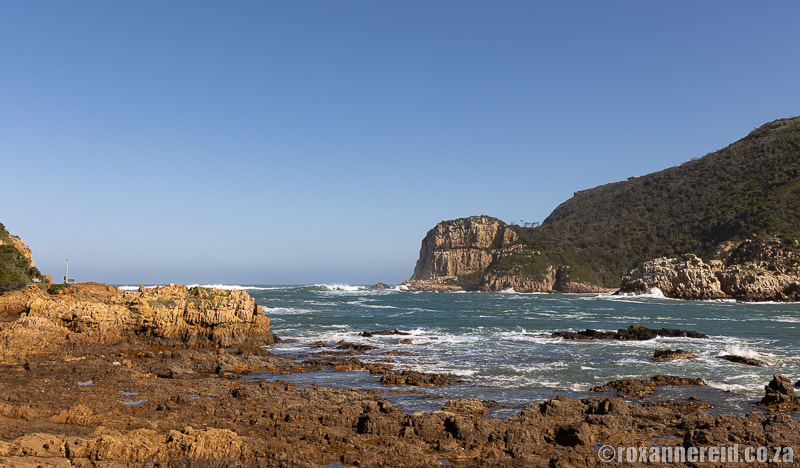
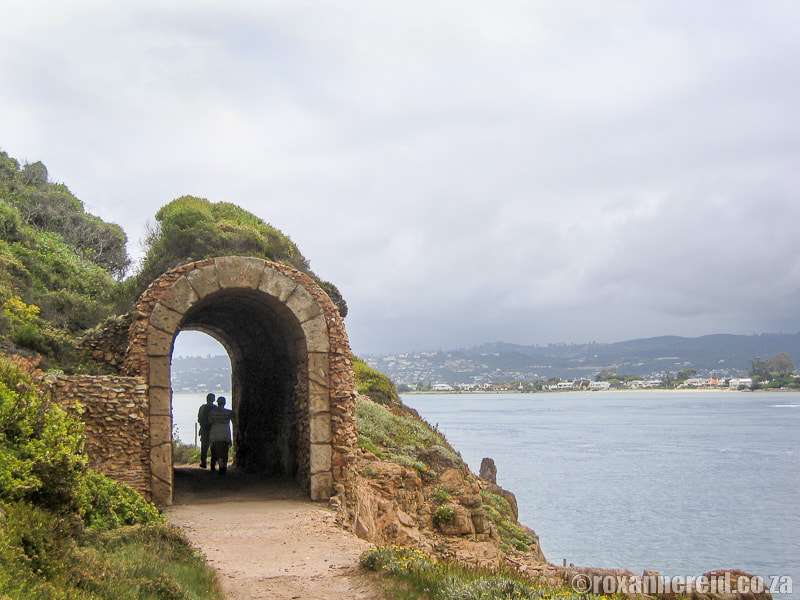
The Western Head is a protected nature reserve (see point 3) but the built-up Eastern Head has a multitude of large houses with great views for those who can afford to live there. Luckily for the rest of us, there’s also a public viewpoint at the highest point of Coney Glen Road, the small Coney Glen beach with rock pools, and at the end of George Rex Drive a nice walk along a pathway at the foot of the cliffs, where the wreck of the Paquita lies beneath the water.
3. Explore the Featherbed Nature Reserve

4. Go whale watching

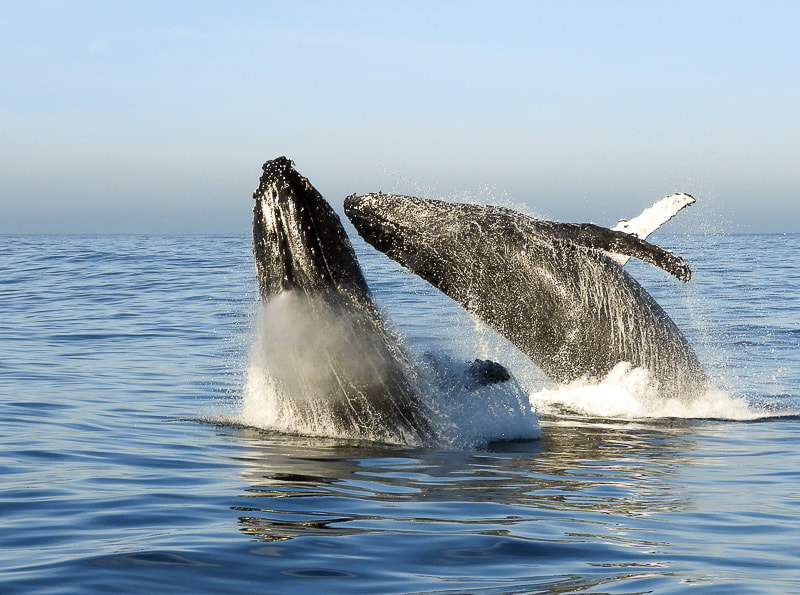
To get much closer to these giants in the open ocean and share the excitement of watching them breach, spyhop or lobtail, join a 1.5 to 2-hour boat-based whale watching trip with Ocean Odyssey. They’re the only permitted whale watching company in this area and love to share Knysna’s natural assets with visitors.
5. Visit the Knysna Waterfront
The Knysna Waterfront is a popular and buzzy tourist destination. Take a stroll along the waterfront, shop for souvenirs, fashion, jewellery or décor items, admire the yachts in the harbour (or even book a sailing charter), enjoy an ice cream cone as you soak up the sun, sit down for a meal at one of a number of eateries from franchises like the Spur and Ocean Basket to restaurants like 34 degrees South and the Dry Dock Food Company.
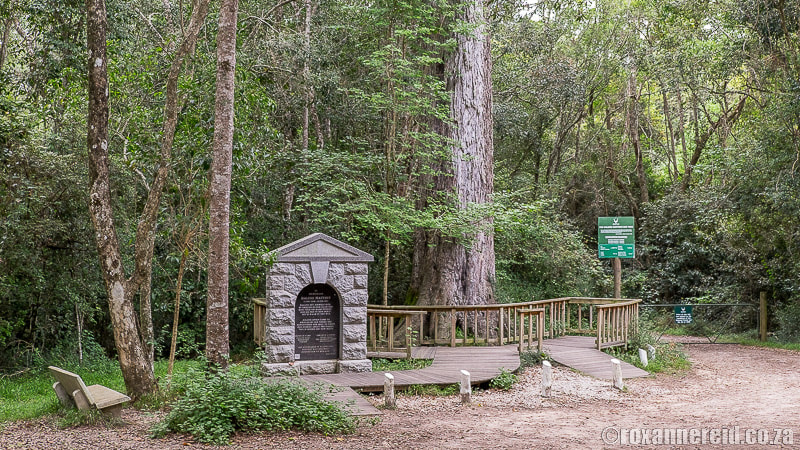
6. Visit the Big Tree & Dalene Matthee monument

7. Go hiking
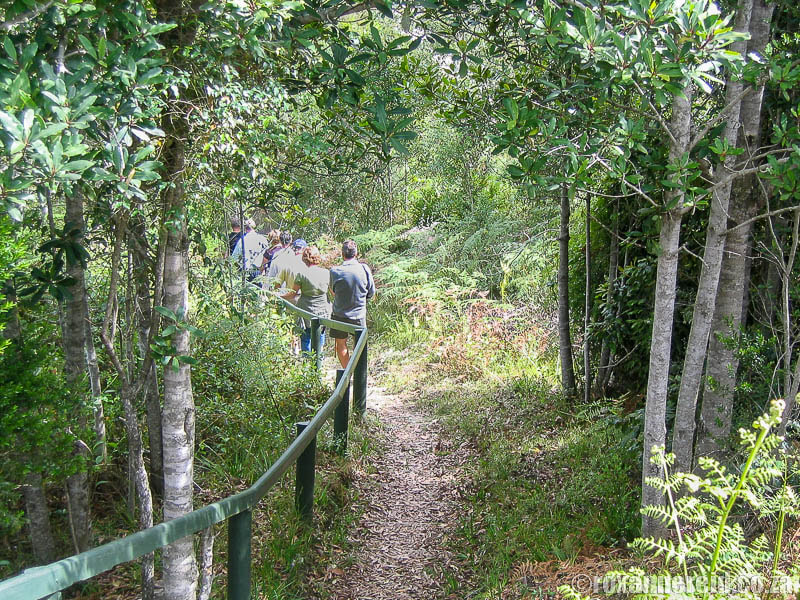
There’s also hiking at Goukamma Nature Reserve on the way to Buffalo Bay. Choose between six trails from 4-15km, from beach walks to dune walks with coastal fynbos, and forest walks that offer a good chance of seeing some of the 220 species of birds recorded in the reserve. Take along your Wild Card so you won’t have to pay entry to the reserve.
Looking for a Knysna forest walking experience without getting out of breath or spending lots of time? Find the Garden of Eden trail about 16km east of town. The circular loop takes you for a short walk (about 1km) through indigenous forest of stinkwood and Outeniqua yellowood trees, with wooden bridges crossing little streams. Listen and look for the Knysna turaco with its bright green plumage and red underwings. Stop at some picnic tables and benches along the way. There’s a small entrance fee to pay.
Find out more about some of the top Knysna trails here or pop in to the Visit Knysna tourism info office at 40 Main Road, Knysna.
For something a little different, walk the 9km circular Kranshoek Hiking Trail that starts at the Kranshoek picnic site in the Harkerville forest about 23km east of Knysna. With its cliffs and rocks, indigenous forest, fynbos and gorgeous sea views, it has something of the vibe of a one-day Otter Trail. You do need to be pretty fit to enjoy all the ups and downs, which can be tough on weak knees.
8. SUP at Thesen Island
Spend a few hours on an SUP (stand-up paddle board) exploring the water channels of Knysna’s scenic Thesen Island. Thesen Island is a marina development in the Knysna estuary, consisting of nearly 20 man-made islands linked by arched bridges. Rent a board and stick to the calm main waterways if you’re a beginner (bring extra clothes to change into because you’ll no doubt get a dunking or two). If you’re experienced, explore some of the inlets and coves between the islands. No kids under 12. It’s best to book ahead. Try Ocean Odyssey or Knysna Charters.
9. Visit Belvidere’s historic stone church
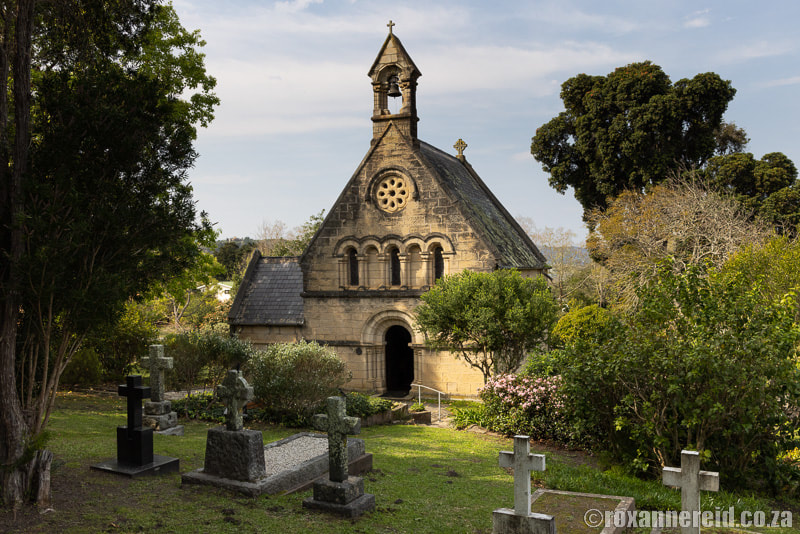
The last direct descendant to hold the Duthie estate in the Duthie name was Augusta Vera Duthie, a noted botanist who died in 1963 and is commemorated in a stained glass window in the church.
One thing I love about this little church is that it was designed by a woman – Sophy Gray, wife of the Bishop of Cape Town at the time. Her charming churches are scattered over the country, from Cape Town and Graaff-Reinet to Port Elizabeth and Pietermaritzburg. Another is how peaceful it is to…