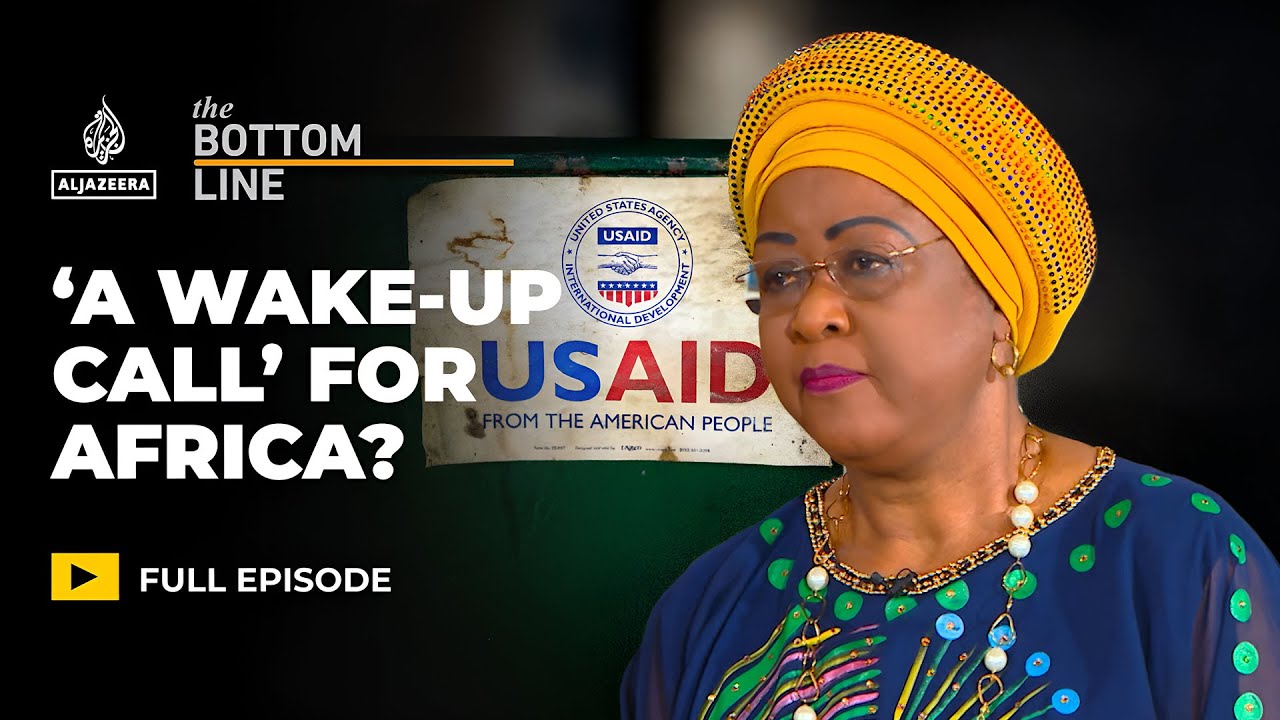

Redefining Aid: Africa’s Journey Toward Autonomy in the Wake of U.S. Cuts
In recent years, the United States has significantly scaled back its aid to African nations, a move that has sparked concern, controversy, and crucial conversations across the globe. This drastic reduction in assistance, once a cornerstone of support for many African countries, is perceived by some as a perilous development, threatening to unravel years of progress in sectors like health, infrastructure, and education. Yet, for others, it represents a beacon of opportunity, a chance for Africa to step out from the shadows of dependency and towards a future of increased self-determination and economic sovereignty. Join us as we delve into the complexities and potential of this shift, guided by insightful perspectives from Ambassador Adiana Chi Home Bori Quao, who champions a new vision for Africa’s international relations and resource control.
The Impact of U.S. Aid Cuts on African Nations
The Trump Administration’s decision to drastically cut U.S. aid to African countries has sent shockwaves through the international aid community. Nations such as the Democratic Republic of Congo, Ethiopia, Sudan, and Nigeria have historically relied heavily on U.S. assistance to address basic needs, including food security, healthcare, and infrastructural development. These aid programs have been pivotal in stabilizing fragile economies and supporting vulnerable populations.
Critics of the aid cuts argue that the immediate consequences could be dire, with potential increases in poverty, disease outbreaks, and socio-political instability. The cuts threaten to roll back hard-won gains in combating HIV/AIDS, malaria, and tuberculosis, as well as educational initiatives aimed at empowering future generations.
However, this reduction also presents an opportunity for African nations to rethink their development strategies and dependencies. By reducing reliance on foreign aid, African countries can explore more sustainable and locally driven economic models, fostering long-term resilience and growth.
Unveiling the Double-Edged Sword of Foreign Aid
Foreign aid has long been a double-edged sword for African nations, providing crucial support while simultaneously imposing certain costs. According to Ambassador Adiana Chi Home Bori Quao, aid often comes with strings attached. These include political interference and, at times, efforts to destabilize governments under the guise of humanitarian assistance.
Such interventions can perpetuate cycles of dependency, where countries are unable to fully thrive without external support. The failure of many aid programs to produce lasting improvements in key areas like education and healthcare illuminates fundamental disconnects between aid intentions and outcomes. The Ambassador highlights that a significant portion of aid resources fails to reach the people most in need, calling for a reassessment of aid strategies that align more closely with Africa’s real needs and aspirations.
Harnessing Africa’s Resources: A Path to Economic Independence
Africa is a continent rich in resources, yet it continues to grapple with poverty and economic challenges, often exacerbated by historical legacies of exploitation. Ambassador Quao argues that the wealth of resources should be a foundation for African prosperity, rather than a curse mismanaged through foreign exploitation.
Africa’s resources played a significant role in Europe’s post-World War II recovery, yet the continent has not reaped equivalent benefits. To alter this dynamic, African leaders are called upon to take control of their natural wealth and infrastructure, diminishing reliance on external aid and investment that primarily serves foreign interests.
Promising models exist already, as evidenced by Niger’s efforts in managing its uranium resources, which significantly boosted national revenue and illustrated the manifold benefits of resource sovereignty. By focusing on building local capacity and fostering regional collaboration, African nations can chart a new course towards genuine economic independence.
The Call for a Unified African Approach in Global Negotiations
A singular, cohesive African voice in global negotiations is crucial to reversing the patterns of exploitation that have characterized international interactions for decades. Ambassador Quao emphasizes the need for African unity, advocating for collective bargaining power that can stand firm against the pressures from countries like the United States, European nations, and China.
The fragmented approach of the past has allowed external powers to exploit divisions, often to the detriment of African interests. By presenting a united front, Africa can better advocate for fair trade practices, equitable resource management, and beneficial international partnerships. The ambassador’s vision is clear: unity is not merely an ideal but a strategic necessity in safeguarding Africa’s future.
Reevaluating Global Institutions and Africa’s Strategic Shift
Post-World War II global institutions like the United Nations and the World Bank were established with the goal of aiding European recovery, but Ambassador Quao argues that their roles in Africa have been less beneficial. These institutions often perpetuate unequal trade policies and resource exploitation that keep Africa entangled in dependency threads.
As global politics evolve, with individual nations asserting more unilateralism, Africa is urged to redefine its relationships and strategies concerning global powers. The recent changes in U.S. aid serve as a catalyst for African leaders to assess their own value and potential apart from these global structures, pushing for reforms that prioritize African needs and aspirations.
In this new era, Africa has the potential to rise as a leader not only within its borders but on the global stage, advocating for a world that recognizes its intrinsic worth and contributions. This shift from reliance to autonomy is not just a hopeful notion but an achievable goal set by determined African voices ready to steer the continent’s destiny.